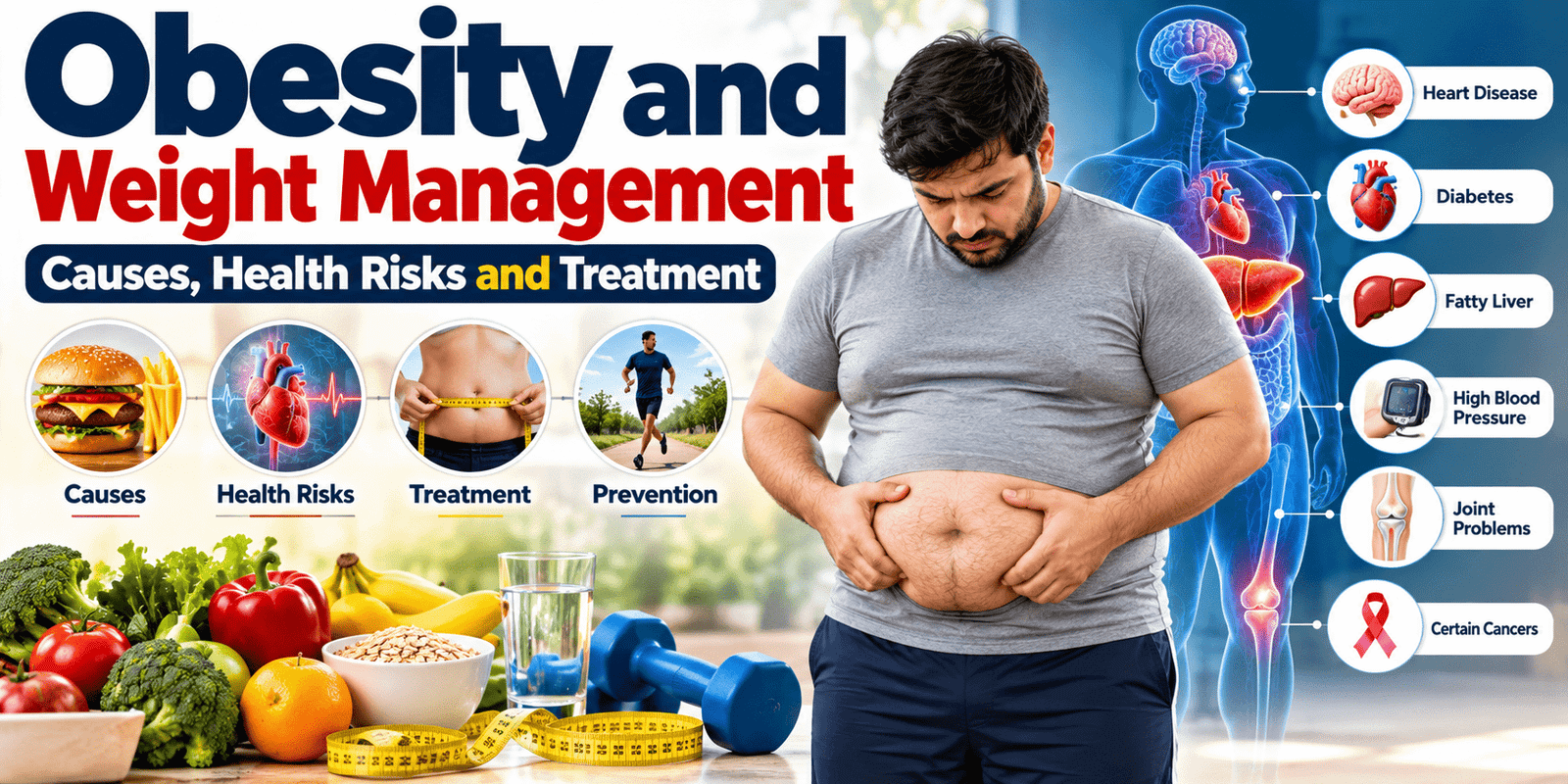
Obesity and Weight Management: Causes, Health Risks and Treatment
Obesity is a common chronic health condition that affects people of all ages and from every region of the world. It occurs when excess body fat has accumulated to a level that can affect health.
Obesity is not simply a matter of appearance or personal willpower. Body weight is influenced by many factors, including genetics, eating patterns, physical activity, sleep, medicines, medical conditions, environment, stress, and access to healthy food and safe places to exercise.
In 2024, an estimated 1.1 billion people worldwide were living with obesity, according to the World Health Organization (WHO). About 2.6 billion adults were overweight, showing the large global impact of unhealthy weight and obesity.
The good news is that weight management can improve health even when a person does not reach a so-called “perfect” weight. Healthy eating, physical activity, better sleep, behavioral support, medicines, and sometimes metabolic or bariatric surgery can all have a role in treatment.
This guide explains obesity symptoms, causes, risk factors, health complications, diagnosis, treatment, weight-loss strategies, prevention, and frequently asked questions.
What Is Obesity?
Obesity is a chronic disease involving excess body fat that can negatively affect health.
For adults, body mass index (BMI) is commonly used as an initial screening measurement.
WHO defines:
- Overweight: BMI of 25 or higher
- Obesity: BMI of 30 or higher
BMI is calculated using weight in kilograms divided by height in meters squared.
However, BMI is not a direct measurement of body fat.
For example, a person with a large amount of muscle may have a high BMI without having excess body fat.
Healthcare professionals may therefore consider other information, including:
- Waist circumference
- Body composition
- Blood pressure
- Blood sugar
- Cholesterol
- Medical history
- Family history
- Existing health conditions
Where body fat is stored also matters. Excess fat around the abdomen can increase health risks.
Is Obesity a Disease?
Yes.
Major health organizations recognize obesity as a chronic disease.
WHO describes obesity as a chronic disease resulting from complex interactions involving biological, environmental, social, and behavioral factors.
This is important because obesity may require long-term medical management, just like other chronic health conditions.
Weight can also change over time. Losing weight and maintaining that loss can be difficult because the body may respond to weight loss through changes in appetite, metabolism, and other biological systems.
For this reason, successful weight management usually focuses on sustainable long-term changes rather than extreme short-term diets.
Symptoms and Signs of Obesity
Obesity itself may not cause obvious symptoms.
However, a person may notice:
- Increased body weight
- Increased waist size
- Difficulty with physical activity
- Breathlessness during activity
- Excessive sweating
- Joint or back discomfort
- Snoring or sleep problems
- Low energy
- Difficulty performing certain daily activities
These symptoms can have many causes and do not prove that someone has obesity.
A healthcare professional can assess body weight, waist circumference, health history, and related medical conditions.
What Causes Obesity?
There is no single cause of obesity.
Usually, several factors work together.
1. Eating Patterns
Regularly consuming more energy than the body uses can lead to weight gain over time.
Foods and drinks that are high in calories, added sugars, and unhealthy fats can make it easier to consume excess calories.
Examples include:
- Sugary drinks
- Highly processed foods
- Frequent fast food
- Large portions
- Frequent high-calorie snacks
- Foods high in added sugar
However, diet is only one part of obesity.
2. Physical Inactivity
Modern lifestyles can involve long periods of sitting, driving, screen use, and limited daily movement.
When physical activity is low, the body uses fewer calories.
Regular physical activity is important for overall health and can support weight management.
3. Genetics
Genes can influence:
- Appetite
- Hunger signals
- Energy use
- Fat storage
- Body-fat distribution
- Response to food
- Risk of weight gain
Having a family history of obesity can increase a person’s risk.
However, genetics does not mean that weight cannot be managed. Lifestyle and environmental factors still matter.
4. Sleep
Poor or insufficient sleep can affect appetite, energy levels, and eating behavior.
People who regularly get inadequate sleep may have a higher risk of weight gain.
Improving sleep is therefore an important part of a healthy lifestyle.
5. Stress and Mental Health
Long-term stress can affect eating patterns, sleep, activity, and body weight.
Some people respond to stress by eating more, especially high-calorie foods.
Depression and certain eating disorders can also be associated with weight gain.
Mental health should therefore be considered when developing a weight-management plan.
6. Medical Conditions
Some medical conditions can contribute to weight gain.
Examples include:
- Hypothyroidism
- Polycystic ovary syndrome (PCOS)
- Cushing syndrome
- Certain neurological conditions
These conditions are not the cause of every case of obesity, but they may contribute to weight gain in some people.
7. Medicines
Some medicines can contribute to weight gain.
Examples can include certain:
- Antidepressants
- Antipsychotic medicines
- Glucocorticoids
- Diabetes medicines
- Some blood-pressure medicines
- Other prescription medicines
Never stop a prescribed medicine because of weight gain without speaking with your healthcare professional. An alternative treatment may or may not be appropriate.
Health Risks of Obesity
Obesity can affect many parts of the body.
The risk of complications may increase with the amount of excess body fat and the length of time a person has obesity.
Type 2 Diabetes
Obesity is strongly associated with insulin resistance and type 2 diabetes.
Losing even a moderate amount of weight may help reduce the risk of developing diabetes in people at high risk.
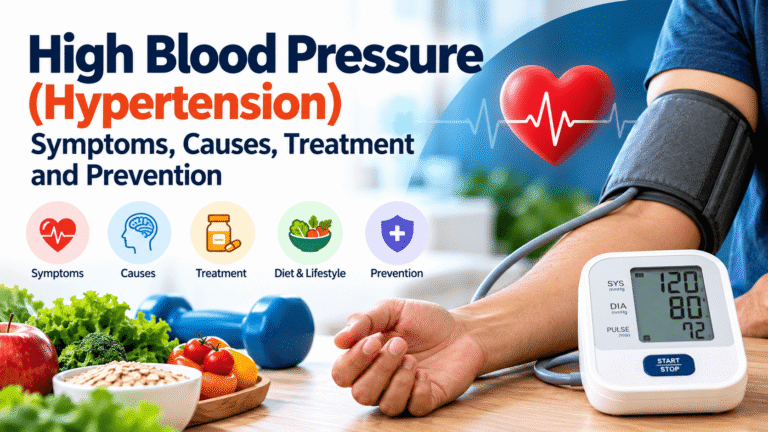
High Blood Pressure
Extra body weight can increase the risk of high blood pressure.
High blood pressure can damage blood vessels and increase the risk of heart disease, stroke, and kidney disease.
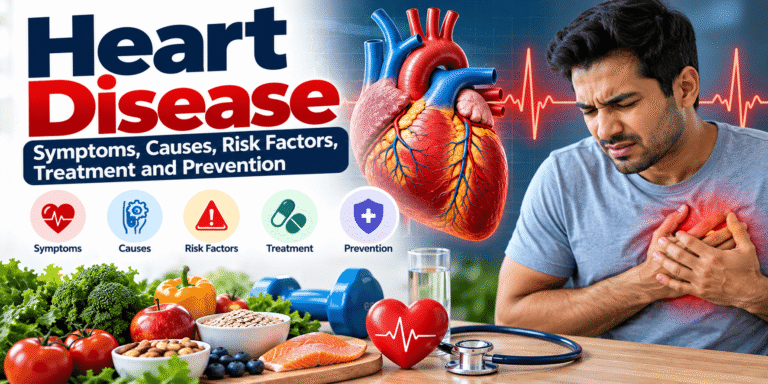
Heart Disease
Obesity is associated with a higher risk of cardiovascular problems, including:
- Coronary artery disease
- Heart attack
- Heart failure
- Abnormal cholesterol
- High blood pressure
Managing body weight, blood pressure, cholesterol, blood sugar, diet, and physical activity can help reduce cardiovascular risk.
Stroke
Obesity can increase stroke risk, partly through its relationship with high blood pressure, diabetes, abnormal cholesterol, and other cardiovascular risk factors.
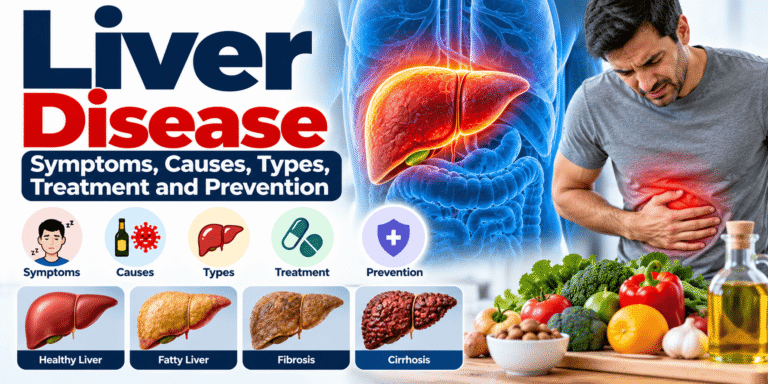
Fatty Liver Disease
Excess body weight is strongly associated with metabolic fatty liver disease.
Fat can accumulate in the liver and, in some people, progress to inflammation and liver scarring.
Severe liver disease can eventually lead to cirrhosis and other complications.
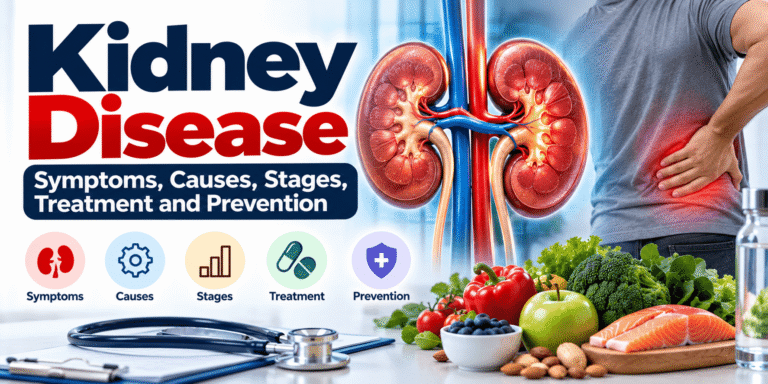
Kidney Disease
Obesity can increase the risk of chronic kidney disease.
It can also increase the risk indirectly by increasing the chances of diabetes and high blood pressure, two major causes of kidney disease.
Sleep Apnea
Obesity increases the risk of obstructive sleep apnea.
Possible symptoms include:
- Loud snoring
- Pauses in breathing during sleep
- Waking up gasping
- Morning headaches
- Daytime sleepiness
- Poor concentration
Sleep apnea should be medically evaluated because untreated disease can affect cardiovascular and overall health.
Joint Problems
Extra body weight can place additional stress on joints.
Obesity is associated with an increased risk of osteoarthritis, particularly in weight-bearing joints such as the knees and hips.
Some Cancers
Obesity is associated with an increased risk of several types of cancer.
The relationship varies by cancer type and other individual risk factors.
Maintaining a healthy weight is one part of reducing overall cancer risk.
Pregnancy Complications
Overweight and obesity can increase the risk of certain complications during pregnancy and may affect the health of both the mother and baby.
Pregnant people should discuss healthy weight gain and nutrition with their healthcare professional rather than attempting rapid weight loss.
How Is Obesity Diagnosed?
Healthcare professionals usually assess several factors.
BMI
BMI is commonly used as a screening tool.
For adults:
| BMI | General Category |
|---|---|
| Below 18.5 | Underweight |
| 18.5–24.9 | Healthy range |
| 25.0–29.9 | Overweight |
| 30 or higher | Obesity |
These categories are general adult screening categories. They should not be used alone to diagnose overall health.
BMI may be less useful for some people, including highly muscular individuals and some older adults.
Waist Circumference
Waist size can provide additional information about abdominal fat.
A larger waist circumference is associated with a higher risk of some weight-related health problems.
Cutoffs vary between populations and guidelines, so healthcare professionals may use different thresholds depending on ethnicity, sex, country, and clinical context.
Medical Tests
Depending on a person’s health and risk factors, a doctor may check:
- Blood pressure
- Blood glucose
- HbA1c
- Cholesterol
- Triglycerides
- Liver function
- Kidney function
- Sleep problems
- Hormonal or other medical conditions when indicated
The purpose is not only to measure weight but also to identify health problems that may be related to excess weight.
How Is Obesity Treated?
Obesity treatment should be individualized.
A treatment plan may include:
- Healthy eating
- Physical activity
- Behavioral support
- Sleep improvement
- Treatment of related medical conditions
- Weight-loss medicines when appropriate
- Metabolic or bariatric surgery for selected patients
The goal is not simply to achieve a particular number on a weighing scale. Treatment aims to improve health, reduce complications, and support long-term quality of life.
Healthy Eating for Weight Management
A healthy eating pattern should be realistic enough to continue long term.
Focus on:
- Vegetables
- Fruits
- Whole grains
- Beans and lentils
- Nuts and seeds
- Appropriate protein sources
- Healthy fats
- Water and other low-calorie drinks
Try to reduce frequent consumption of:
- Sugary drinks
- Highly processed foods
- Excess added sugar
- Large portions
- Foods high in saturated fat
- Frequent high-calorie snacks
There is no single “best diet” for everyone.
A good eating plan should fit your culture, budget, food availability, health conditions, and personal preferences.
Physical Activity and Weight Management
Physical activity supports heart health, muscle strength, mental health, and weight management.
For many adults, healthcare professionals may recommend working toward at least 150 minutes of moderate-intensity aerobic activity per week, along with muscle-strengthening activity, depending on health and physical ability.
Examples include:
- Brisk walking
- Cycling
- Swimming
- Dancing
- Light jogging
- Strength training
If you have heart disease, severe obesity, joint problems, diabetes, or another medical condition, ask your healthcare professional what level of exercise is safe for you.
You do not have to begin with intense exercise.
Starting with short periods of activity and gradually increasing them can be more realistic for many people.
How Much Weight Should You Lose?
There is no universal weight-loss target.
For some people, even a relatively modest reduction in body weight can improve health.
NIDDK notes that losing about 5% of starting body weight over six months can be a reasonable initial goal for some adults who need to lose weight.
For people at high risk of type 2 diabetes, losing approximately 5% to 7% of starting body weight may help prevent or delay diabetes.
The appropriate goal depends on your health, starting weight, medical conditions, age, and treatment plan.
Weight-Loss Medicines
Lifestyle changes are an important part of obesity treatment, but they may not be enough for everyone.
Healthcare professionals may consider prescription weight-management medicines for selected people.
Depending on the medicine and country, treatments may affect:
- Appetite
- Hunger signals
- Food intake
- Digestion
- Blood sugar regulation
Some newer medicines work through pathways involving hormones such as GLP-1 and related systems.
Weight-loss medicines should be used under medical supervision.
They are not suitable for everyone and can have side effects, interactions, contraindications, and cost considerations.
Do not purchase or use prescription weight-loss medicines from unverified websites.
Weight-Loss Surgery
Metabolic and bariatric surgery can be an effective treatment option for some people with obesity.
Examples include:
- Gastric bypass
- Sleeve gastrectomy
- Adjustable gastric banding in selected settings
Surgery changes the digestive system and can lead to substantial weight loss and improvement in some obesity-related conditions.
It is not appropriate for everyone.
Eligibility depends on factors such as BMI, medical conditions, previous treatment attempts, surgical risk, and local clinical guidelines.
Surgery also requires long-term medical follow-up and lifestyle changes.
Weight Management Is Long-Term
One of the biggest challenges is maintaining weight loss.
A person may lose weight and later regain some or all of it.
This does not mean the person has failed.
Obesity is a chronic condition, and long-term management may require ongoing support.
Helpful strategies can include:
- Regular meals
- Monitoring eating patterns
- Physical activity
- Adequate sleep
- Stress management
- Regular healthcare visits
- Behavioral counseling
- Medication when appropriate
- Support from family or healthcare professionals
Long-term consistency is generally more useful than extreme short-term dieting.
Common Weight-Loss Mistakes to Avoid
Avoid approaches that promise unrealistic results.
Be careful with programs claiming:
- “Lose 10 kg in 10 days”
- “Burn fat without diet or exercise”
- “Permanent weight loss without effort”
- “Detox your body and cure obesity”
- “One supplement melts belly fat”
- “No side effects guaranteed”
Rapid or extreme weight-loss methods can be unsafe for some people.
A healthy weight-management plan should be realistic, evidence-based, and appropriate for your health condition.
Obesity in Children and Teenagers
Childhood obesity requires a different approach from adult weight management.
Children and teenagers are still growing, so adult BMI categories should not simply be applied to them.
Healthcare professionals use BMI-for-age, growth patterns, sex, age, and other factors to assess weight status.
Treatment should focus on healthy growth and family-based lifestyle habits rather than shame or aggressive dieting.
Helpful family habits include:
- Healthy meals
- Regular physical activity
- Limited sugary drinks
- Adequate sleep
- Reasonable screen-time habits
- Positive family support
Children should not be placed on restrictive diets without appropriate professional guidance.
Obesity Prevention
Not every case of obesity can be prevented because genetics, medical conditions, medications, and environmental factors also influence body weight.
However, healthy habits can reduce the risk.
Eat a Balanced Diet
Choose mostly nutrient-dense foods and limit frequent consumption of highly processed, high-calorie foods.
Stay Active
Make physical activity part of everyday life.
Walking, cycling, sports, household activities, and exercise can all contribute to movement.
Sleep Well
Aim for regular, sufficient sleep.
Poor sleep can make healthy weight management more difficult.
Manage Stress
Healthy stress-management methods can include:
- Walking
- Exercise
- Relaxation
- Social support
- Hobbies
- Counseling when appropriate
Monitor Health
Regular health checks can help identify:
- High blood pressure
- Prediabetes
- Diabetes
- Abnormal cholesterol
- Fatty liver
- Sleep apnea
Early detection allows treatment to begin sooner.
When Should You See a Doctor About Your Weight?
Consider speaking with a healthcare professional if:
- Your weight is increasing steadily
- You have a BMI in the obesity range
- Your waist size is increasing
- You have high blood pressure
- Your blood sugar is high
- You have abnormal cholesterol
- You snore heavily or stop breathing during sleep
- You have unexplained joint pain
- You have difficulty losing weight despite consistent efforts
- You take medicines that may affect weight
- You suspect a medical condition is affecting your weight
You do not need to wait until your weight becomes severe before asking for help.
Frequently Asked Questions
Is obesity a disease?
Yes. Major health organizations recognize obesity as a chronic disease. It involves complex biological, environmental, social, and behavioral factors.
What is the main cause of obesity?
There is no single cause. Genetics, food environment, physical activity, sleep, stress, medical conditions, medicines, and other factors can all contribute.
Can obesity be cured?
Obesity is generally considered a chronic condition that can be managed over the long term. Some people can achieve substantial and sustained weight loss, while others need ongoing treatment and support.
Is BMI enough to diagnose obesity?
BMI is a useful screening tool but does not directly measure body fat. Waist circumference, body composition, medical history, and other health factors can provide additional information.
How much weight loss is healthy?
There is no single target for everyone. For some adults, losing around 5% of starting body weight can be a useful initial goal and may improve health.
Can exercise alone cause weight loss?
Exercise is important for health and can support weight loss, but weight management usually works best when physical activity is combined with an appropriate eating plan and other healthy lifestyle changes.
Are weight-loss medicines safe?
Some prescription medicines can be effective and safe for appropriate patients when prescribed and monitored by a healthcare professional. They can also cause side effects and are not suitable for everyone.
Are weight-loss supplements safe?
Not necessarily. “Natural” does not automatically mean safe. Some supplements may interact with medicines or contain ingredients that can cause harm.
Can obesity cause diabetes?
Obesity can substantially increase the risk of type 2 diabetes. Losing weight may help prevent or delay diabetes in people at high risk.
Can obesity affect the liver?
Yes. Excess body weight is associated with metabolic fatty liver disease and can contribute to liver inflammation and fibrosis in some people.
Can obesity affect mental health?
Yes. Obesity can be associated with mental-health challenges, while stress, depression, and other psychological factors can also affect eating behavior and weight. Treatment should consider both physical and mental health.
Key Takeaways
- Obesity is a chronic disease, not simply a lack of willpower.
- Body weight is influenced by genetics, lifestyle, environment, sleep, medicines, medical conditions, and other factors.
- BMI is useful for screening but should not be considered the only measure of health.
- Obesity increases the risk of type 2 diabetes, high blood pressure, heart disease, stroke, fatty liver disease, kidney disease, sleep apnea, joint problems, some cancers, and pregnancy complications.
- Even modest weight loss can improve health for many people.
- Healthy eating and regular physical activity are the foundation of weight management.
- Some people may benefit from behavioral treatment, prescription medicines, or metabolic and bariatric surgery.
- Children and teenagers need age-appropriate assessment and should not follow restrictive adult diets without professional guidance.
- Avoid products and programs that promise extremely rapid or guaranteed weight loss.
- Long-term support is often more important than short-term dieting.
Medical Disclaimer
The information in this article is provided for general educational and informational purposes only.
It is not intended to replace professional medical advice, diagnosis, treatment, or individualized weight-management care.
BMI and other measurements discussed in this article are general tools and may not accurately reflect health for every individual.
Do not start a restrictive diet, weight-loss medicine, supplement, or intensive exercise program based only on this article.
If you have obesity, diabetes, heart disease, high blood pressure, kidney disease, pregnancy, an eating disorder, or another medical condition, speak with a qualified healthcare professional before making major changes to your diet or exercise routine.
Never stop or change a prescribed medicine without medical advice.
If you experience symptoms of a medical emergency, contact your local emergency medical service or go to the nearest emergency department.
Trusted Medical References
- World Health Organization (WHO) — Obesity and Overweight
- National Institute of Diabetes and Digestive and Kidney Diseases (NIDDK) — Understanding Adult Overweight & Obesity
- NIDDK — Health Risks of Overweight & Obesity
- NIDDK — Treatment for Overweight & Obesity
- NIDDK — Factors Affecting Weight & Health
- National Heart, Lung, and Blood Institute (NHLBI) — Overweight and Obesity
- Centers for Disease Control and Prevention (CDC) — Consequences of Obesity
Article review date: October 2026