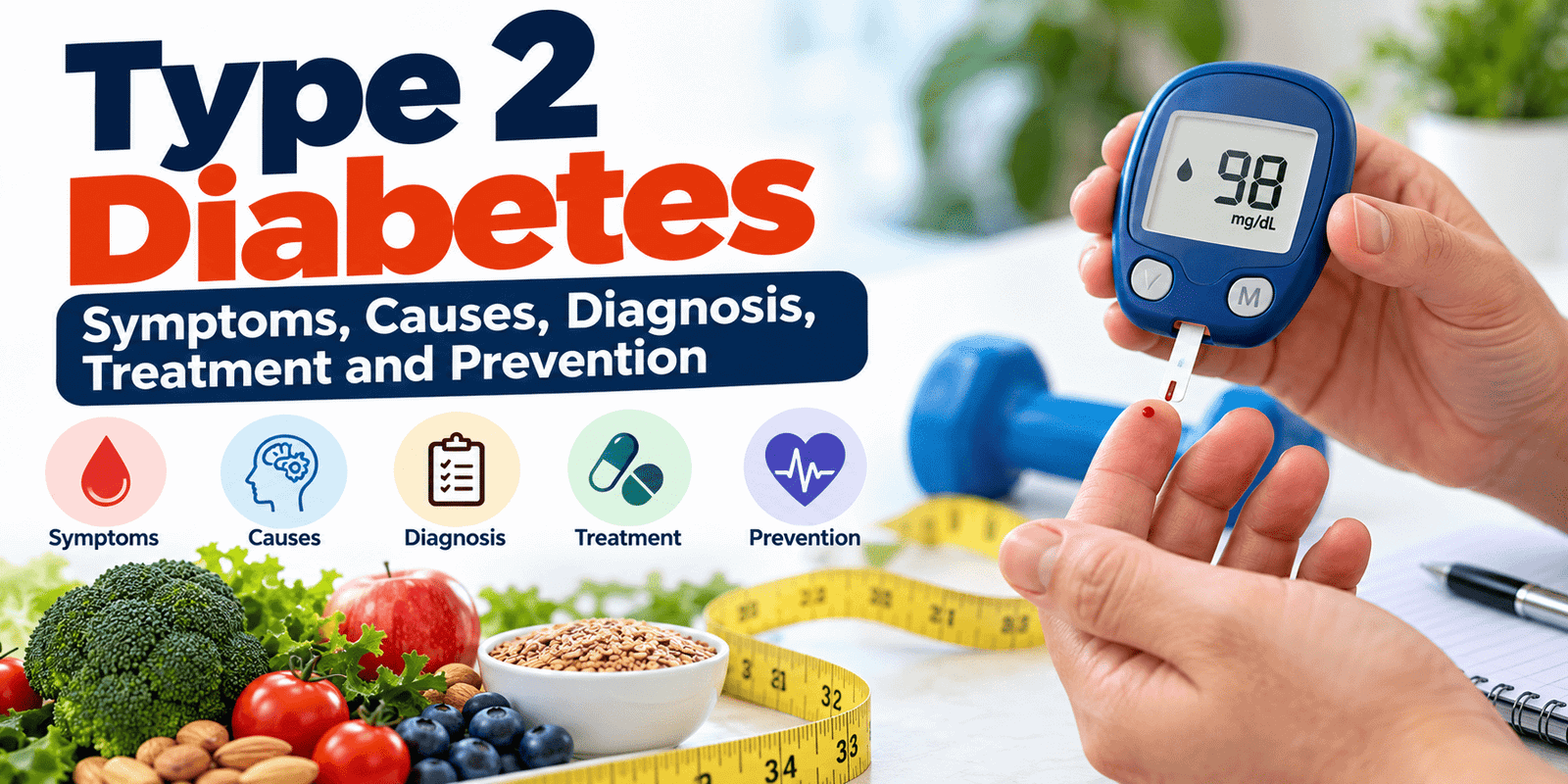
Type 2 Diabetes: Symptoms, Causes, Diagnosis, Treatment and Prevention
Type 2 diabetes is one of the most common long-term health conditions in the world. It happens when the body does not use insulin properly and, over time, may not make enough insulin to keep blood sugar at a healthy level.
The condition can develop slowly. Some people have type 2 diabetes for years without knowing it because the early symptoms can be mild or absent. Regular health checks and blood tests can help identify the condition earlier.
When blood sugar remains high for a long time, it can damage blood vessels and nerves. This can increase the risk of problems affecting the heart, kidneys, eyes, feet, and other parts of the body.
The good news is that type 2 diabetes can often be prevented or delayed in people at increased risk. For people who already have diabetes, good management can help control blood glucose and reduce the risk of complications.
This guide explains type 2 diabetes in simple terms, including its symptoms, causes, risk factors, diagnosis, treatment, diet, lifestyle changes, complications, and prevention.
What Is Type 2 Diabetes?
Type 2 diabetes is a condition in which blood glucose, also called blood sugar, becomes too high.
Glucose is an important source of energy for the body. After eating, carbohydrates are broken down into glucose and enter the bloodstream.
The pancreas produces a hormone called insulin. Insulin helps glucose move from the blood into cells, where it can be used for energy.
In type 2 diabetes, the body’s cells do not respond normally to insulin. This is known as insulin resistance.
At first, the pancreas may produce more insulin to compensate. Over time, however, the pancreas may not be able to produce enough insulin to keep blood glucose within a healthy range.
As a result, blood sugar can remain high.
Type 2 diabetes is the most common type of diabetes. WHO reports that more than 95% of people living with diabetes have type 2 diabetes.
What Are the Symptoms of Type 2 Diabetes?
Type 2 diabetes symptoms often develop slowly.
Some people may have no noticeable symptoms at all. This can allow the condition to remain undiagnosed for a long time.
Possible symptoms include:
- Increased thirst
- Frequent urination
- Increased hunger
- Feeling tired
- Blurred vision
- Unexplained weight loss
- Tingling or numbness in the hands or feet
- Slow-healing cuts or sores
- Dry or itchy skin
- Repeated infections
Not everyone with type 2 diabetes will have these symptoms.
Because symptoms can be mild, people with risk factors may need blood sugar testing even when they feel healthy.
Early Warning Signs of Type 2 Diabetes
Some early signs may be easy to ignore.
For example, a person may notice that they are drinking more water than usual or getting up frequently during the night to urinate.
Other people may notice unusual tiredness or changes in their vision.
These signs do not automatically mean that someone has diabetes. Many other health conditions can cause similar symptoms.
The only reliable way to determine whether a person has diabetes is through appropriate medical testing.
What Causes Type 2 Diabetes?
Type 2 diabetes usually develops because of a combination of different factors rather than one single cause.
Important factors include:
Insulin Resistance
Insulin resistance is one of the main features of type 2 diabetes.
When cells do not respond properly to insulin, glucose has more difficulty moving from the bloodstream into cells.
The pancreas may initially produce extra insulin to compensate. Eventually, it may not be able to produce enough insulin to maintain normal blood glucose levels.
Genetics
Family history can increase the risk of type 2 diabetes.
Having a parent, brother, or sister with type 2 diabetes can make a person more likely to develop the condition.
However, having a family history does not mean that diabetes is unavoidable.
Excess Body Weight
Being overweight or having obesity can increase the risk of insulin resistance and type 2 diabetes.
However, type 2 diabetes can also occur in people who are not overweight.
This is important because body weight is only one part of diabetes risk.
Physical Inactivity
Regular physical activity helps the body use glucose and supports overall metabolic health.
A lack of regular activity can increase the risk of insulin resistance and weight gain.
Age
The risk of type 2 diabetes generally increases with age, although it can occur at any age.
Type 2 diabetes is also becoming more common among younger people in many parts of the world.
Who Is at Higher Risk of Type 2 Diabetes?
Several factors can increase a person’s risk.
These include:
- Family history of type 2 diabetes
- Overweight or obesity
- Physical inactivity
- Older age
- Prediabetes
- High blood pressure
- Previous gestational diabetes
- Certain metabolic conditions
- Some forms of liver disease
Risk factors vary between individuals and populations.
A person can develop type 2 diabetes even without having every common risk factor.
What Is Prediabetes?
Prediabetes means blood glucose is higher than the normal range but not high enough to meet the criteria for diabetes.
It is an important warning stage.
Many people with prediabetes do not have clear symptoms.
The good news is that progression from prediabetes to type 2 diabetes is not inevitable.
Healthy eating, regular physical activity, and appropriate weight management can help reduce the risk of developing type 2 diabetes.
How Is Type 2 Diabetes Diagnosed?
Type 2 diabetes is diagnosed using blood tests.
Common tests include:
A1C Test
The A1C test provides an estimate of average blood glucose levels over roughly the previous two to three months.
One benefit is that fasting is generally not required for the test.
Fasting Plasma Glucose Test
This test measures blood glucose after a period of fasting.
A healthcare professional will provide instructions about how long you need to fast before the test.
Oral Glucose Tolerance Test
For an oral glucose tolerance test, blood glucose is measured before and after drinking a glucose-containing liquid.
The test helps show how the body processes glucose.
Random Blood Glucose Test
A blood glucose measurement can also be taken at any time of day.
The interpretation depends on the person’s symptoms and the actual blood glucose result.
Diagnostic thresholds are based on established medical guidelines, and the appropriate test can depend on the individual situation.
A home glucose meter can help people monitor blood glucose when advised by their healthcare team, but it should not be used by itself to diagnose diabetes.
Can Type 2 Diabetes Be Reversed?
This question is common, but the answer is more complex than a simple yes or no.
Some people with type 2 diabetes can achieve blood glucose levels below the diabetes range for a period of time, sometimes without diabetes medicines. This is often described medically as remission rather than a guaranteed permanent cure.
The possibility of remission depends on factors such as how long a person has had diabetes, body weight, overall health, and the treatment approach.
Even when blood glucose improves significantly, regular medical follow-up remains important.
People should not stop diabetes medicine without discussing it with their healthcare professional.
How Is Type 2 Diabetes Treated?
Treatment is different for each person.
A diabetes care plan may include:
- Healthy eating
- Regular physical activity
- Weight management when appropriate
- Blood glucose monitoring
- Diabetes medicines
- Blood pressure control
- Cholesterol management
- Regular health checks
- Foot care
- Eye screening
- Kidney health monitoring
The goal is not simply to lower one blood sugar reading. Long-term diabetes management aims to keep blood glucose and other health risks under control and reduce complications.
Medicines for Type 2 Diabetes
Some people can manage their diabetes with lifestyle changes, while others need medication.
Depending on the person’s condition, treatment may include oral or injectable medicines.
Commonly used diabetes medicines include different drug classes such as:
- Metformin
- SGLT2 inhibitors
- GLP-1 receptor-based medicines
- Sulfonylureas
- Insulin
The right medicine depends on factors such as blood glucose levels, kidney function, heart health, weight, other medicines, cost, access, and individual treatment goals.
No diabetes medicine should be started, stopped, or changed without professional medical advice.
WHO notes that some people with type 2 diabetes may need medicines such as metformin, SGLT2 inhibitors, other medicines, or insulin depending on their situation.
Type 2 Diabetes Diet
There is no single diabetes diet that is perfect for everyone.
A healthy eating pattern can focus on foods that provide useful nutrients and help support stable blood glucose.
Good choices can include:
- Vegetables
- Whole grains
- Beans and lentils
- Nuts and seeds
- Fruits in appropriate portions
- Lean or plant-based protein sources
- Healthy fats
- Minimally processed foods
Portion size also matters.
Foods to Limit
People with diabetes may benefit from limiting foods and drinks that contain large amounts of added sugar or are highly processed.
Examples include:
- Sugary soft drinks
- Sweetened beverages
- Candy
- Cakes
- Biscuits
- Highly processed snacks
- Large portions of refined carbohydrates
- Foods high in unhealthy fats
This does not mean that every person with diabetes must completely avoid every food on this list.
A personalized eating plan is often more useful than a very restrictive diet.
Can Exercise Help Type 2 Diabetes?
Yes.
Physical activity can help the body use glucose more effectively and can support weight management and cardiovascular health.
Activities can include:
- Walking
- Cycling
- Swimming
- Dancing
- Jogging
- Strength training
- Other activities that a person enjoys and can safely perform
WHO recommends regular physical activity as part of type 2 diabetes prevention and management. Its prevention guidance includes at least 150 minutes of moderate physical activity per week for prevention.
People who have been inactive for a long time should increase activity gradually.
People with diabetes or other health conditions should ask their healthcare professional if they need specific exercise precautions.
Weight Management and Type 2 Diabetes
For people who have overweight or obesity, losing some weight may improve insulin sensitivity and blood glucose control.
However, weight management should focus on sustainable habits rather than extreme diets.
Healthy changes may include:
- Smaller portions
- More vegetables and fiber-rich foods
- Less sugary drinks
- Regular physical activity
- Better sleep
- Consistent meal habits
A healthcare professional or registered dietitian can help create an appropriate plan.
Type 2 Diabetes and Heart Health
Diabetes can increase the risk of cardiovascular disease.
High blood glucose can damage blood vessels over time, while other conditions such as high blood pressure and high cholesterol can further increase cardiovascular risk.
For this reason, diabetes care often includes attention to:
- Blood pressure
- Cholesterol
- Smoking
- Physical activity
- Weight
- Blood glucose
Managing these factors together can help reduce long-term health risks.
Type 2 Diabetes and Kidney Disease
The kidneys filter waste from the blood.
Long-term high blood glucose can damage the small blood vessels and filtering structures inside the kidneys.
Diabetes is an important cause of kidney disease.
People with diabetes may therefore need regular kidney health checks as recommended by their healthcare team.
Type 2 Diabetes and Eye Problems
Diabetes can damage small blood vessels in the retina, the light-sensitive tissue at the back of the eye.
This condition is known as diabetic retinopathy.
In advanced cases, diabetes-related eye disease can lead to serious vision loss.
Regular eye screening can help identify problems earlier, when treatment may be more effective.
Type 2 Diabetes and Nerve Damage
High blood glucose over time can damage nerves.
This may cause:
- Tingling
- Burning sensations
- Numbness
- Pain
- Reduced ability to feel injuries
Nerve damage can be particularly important in the feet because a person may not notice a small wound or injury.
Diabetes and Foot Health
People with diabetes should pay attention to their feet.
Poor blood flow and nerve damage can make foot injuries harder to notice and heal.
Basic foot care may include:
- Checking the feet regularly
- Keeping feet clean and dry
- Wearing properly fitting shoes
- Avoiding walking barefoot when there is a risk of injury
- Seeking medical advice for wounds that do not heal
A healthcare professional should assess serious or persistent foot problems.
Can Type 2 Diabetes Be Prevented?
Type 2 diabetes can often be prevented or delayed, particularly in people who are at increased risk.
Helpful habits include:
Stay Physically Active
Regular movement supports insulin sensitivity and cardiovascular health.
Maintain a Healthy Weight
If you have overweight, gradual and sustainable weight loss may lower your risk.
Eat a Balanced Diet
Choose more vegetables, whole foods, fiber-rich foods, and appropriate protein sources.
Limit excess sugar and highly processed foods.
Avoid Tobacco
Smoking increases the risk of many serious health conditions and can make overall cardiovascular health worse.
Check for Prediabetes
People with risk factors may benefit from regular blood glucose testing.
Early detection creates an opportunity to make lifestyle changes before diabetes develops.
WHO identifies healthy eating, physical activity, maintaining a healthy body weight, and avoiding tobacco as important measures for preventing or delaying type 2 diabetes.
When Should You See a Doctor?
You should consider speaking with a healthcare professional if you have symptoms such as:
- Frequent urination
- Excessive thirst
- Unexplained weight loss
- Persistent tiredness
- Blurred vision
- Numbness or tingling
- Slow-healing wounds
You should also discuss diabetes testing if you have important risk factors such as a strong family history, prediabetes, overweight or obesity, physical inactivity, or previous gestational diabetes.
Early diagnosis can help people begin appropriate treatment and reduce the risk of complications.
Type 2 Diabetes During Pregnancy
Pregnancy can involve different types of diabetes-related conditions.
Gestational diabetes develops during pregnancy and is different from pre-existing type 2 diabetes.
Women who have had gestational diabetes have a higher future risk of developing type 2 diabetes.
Pregnancy-related blood glucose problems should be managed with appropriate prenatal and medical care.
Type 2 Diabetes in Children and Young Adults
Type 2 diabetes was once considered mainly an adult condition, but it can also affect children and young adults.
Risk factors can include excess body weight, family history, physical inactivity, and other metabolic factors.
Parents or caregivers who notice possible symptoms should speak with a pediatric healthcare professional rather than trying to diagnose the condition at home.
Common Myths About Type 2 Diabetes
Myth 1: Only people who eat sugar develop diabetes.
Not true.
Type 2 diabetes is influenced by many factors, including genetics, insulin resistance, body weight, physical activity, age, and other health factors.
Myth 2: People with diabetes can never eat carbohydrates.
Not necessarily.
Carbohydrates can be part of a balanced eating plan. The type, amount, and overall meal pattern matter.
Myth 3: If you feel fine, you cannot have diabetes.
This is false.
Type 2 diabetes can have mild symptoms or no noticeable symptoms for years.
Myth 4: Diabetes medicine means you have failed at lifestyle changes.
Not true.
Diabetes is a medical condition. Many people need medication even when they follow healthy habits.
Myth 5: Natural products can replace diabetes treatment.
There is no general evidence that supplements or herbal products can safely replace prescribed diabetes treatment.
Anyone considering a supplement should discuss it with a healthcare professional, especially if they already take diabetes medicine.
Frequently Asked Questions
What is the main cause of type 2 diabetes?
Type 2 diabetes usually develops from a combination of insulin resistance, genetics, excess body weight, physical inactivity, age, and other factors.
What are the first symptoms of type 2 diabetes?
Early symptoms can include increased thirst, frequent urination, tiredness, blurred vision, increased hunger, and unexplained weight loss. However, many people have no obvious symptoms.
Can a person have type 2 diabetes without knowing it?
Yes. Type 2 diabetes often develops slowly and may remain unnoticed for years.
Can type 2 diabetes be prevented?
Type 2 diabetes can often be prevented or delayed, especially in people at increased risk. Physical activity, healthy eating, weight management, and avoiding tobacco can help.
Is type 2 diabetes curable?
There is no simple universal cure. Some people can achieve remission with significant and sustained improvements in health and treatment, but ongoing medical monitoring is still important.
Can walking help with diabetes?
Regular walking and other physical activity can support blood glucose control, fitness, and cardiovascular health.
Can people with diabetes eat fruit?
Fruit can be part of a healthy eating pattern. Portion size and the overall meal plan are important.
Does type 2 diabetes require insulin?
Not always. Some people manage type 2 diabetes with lifestyle changes and non-insulin medicines, while others may need insulin at some point.
What test confirms diabetes?
Healthcare professionals use blood glucose tests such as A1C, fasting plasma glucose, oral glucose tolerance testing, and sometimes random plasma glucose testing depending on the clinical situation.
Can type 2 diabetes damage the kidneys?
Yes. Long-term high blood glucose can damage the kidneys and increase the risk of kidney disease.
Key Takeaways
Type 2 diabetes is a common chronic condition that affects the way the body uses insulin and glucose.
The most important points are:
- Type 2 diabetes can develop slowly.
- Some people have no obvious symptoms.
- Insulin resistance is an important part of the disease.
- Family history and genetics can increase risk.
- Excess body weight and physical inactivity can increase risk.
- Prediabetes is an important warning stage.
- Blood tests are needed for diagnosis.
- Healthy eating and regular physical activity are important parts of management.
- Some people need diabetes medicines or insulin.
- Diabetes can affect the heart, kidneys, eyes, nerves, and feet.
- Early diagnosis and regular medical care can help reduce complications.
- Type 2 diabetes can often be prevented or delayed in people at increased risk.
Medical Disclaimer
This article is for general health education only. It does not replace professional medical advice, diagnosis, or treatment. Diabetes symptoms, blood glucose targets, medicines, and treatment plans can vary from person to person.
If you think you may have diabetes, have abnormal blood glucose results, are pregnant, or are taking diabetes medication, speak with a qualified healthcare professional before making changes to your treatment.