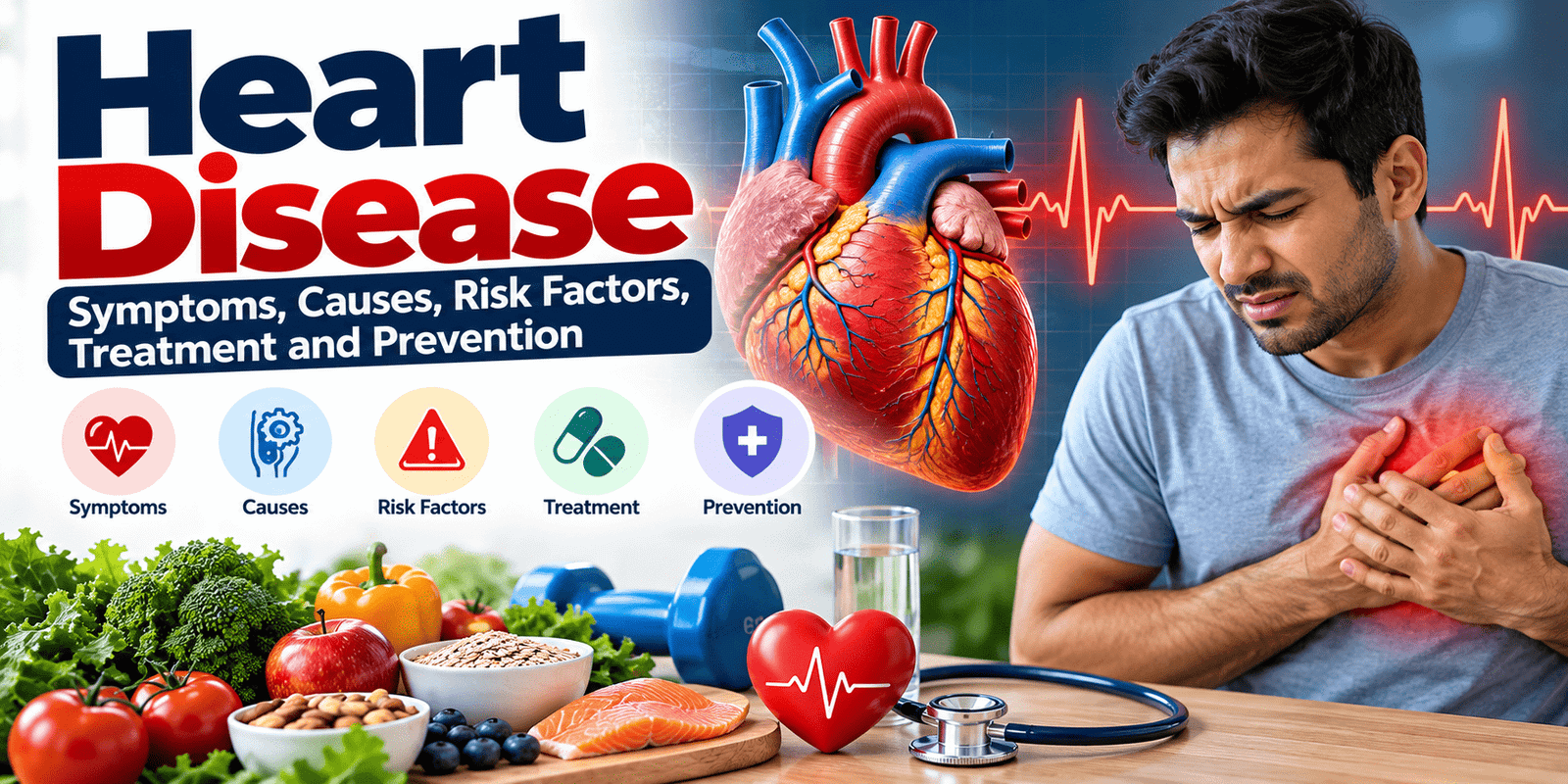
Heart Disease: Symptoms, Causes, Risk Factors, Treatment and Prevention
Heart disease is a broad term used for several conditions that affect the heart and the blood vessels connected to it. Some heart conditions develop slowly over many years, while others can cause sudden and serious problems such as a heart attack.
Heart disease is a major health concern worldwide. Cardiovascular diseases are the leading cause of death globally, and many of the important risk factors can be reduced through healthy lifestyle choices, regular health checks, and appropriate medical care.
One important problem is that heart disease can sometimes develop without obvious symptoms. A person may feel healthy until a serious event occurs. This makes prevention, risk assessment, and early detection especially important.
This guide explains heart disease in simple terms, including its types, symptoms, causes, risk factors, diagnosis, treatment, lifestyle changes, prevention, and emergency warning signs.
What Is Heart Disease?
Heart disease refers to a group of conditions that affect the heart.
The heart is a muscular organ that pumps blood throughout the body. It needs a continuous supply of oxygen and nutrients to work properly.
Heart disease can affect:
- The heart muscle
- The coronary arteries
- The heart valves
- The heart rhythm
- The electrical system of the heart
- The blood vessels connected to the heart
- The heart’s ability to pump blood
The most common type of heart disease in many populations is coronary artery disease, which happens when the arteries supplying blood to the heart become narrowed or blocked.
What Are the Main Types of Heart Disease?
Heart disease is not one single condition.
Coronary Artery Disease
Coronary artery disease occurs when the arteries that supply blood to the heart become narrowed or blocked.
A major cause is the buildup of plaque inside the artery walls. Plaque can contain cholesterol, fats, calcium, and other substances.
As the arteries become narrower, less blood may reach the heart muscle.
This can cause chest discomfort, especially during physical activity or stress.
Heart Attack
A heart attack occurs when blood flow to part of the heart muscle becomes severely reduced or blocked.
Without enough oxygen-rich blood, heart muscle can become damaged.
A heart attack is a medical emergency and requires immediate treatment.
Heart Failure
Heart failure does not mean that the heart has completely stopped.
It means the heart cannot pump blood well enough to meet the body’s needs.
Common symptoms can include:
- Shortness of breath
- Tiredness
- Reduced ability to exercise
- Swelling in the legs, ankles, or feet
Arrhythmia
An arrhythmia is an abnormal heart rhythm.
The heart may beat:
- Too fast
- Too slowly
- Irregularly
Some arrhythmias are harmless, while others can be serious and require medical treatment.
Heart Valve Disease
The heart has four valves that help blood move in the correct direction.
A valve can become too narrow or may not close properly.
This can affect how efficiently the heart pumps blood.
Cardiomyopathy
Cardiomyopathy affects the heart muscle.
Different types can make the heart muscle thicker, weaker, stiffer, or otherwise abnormal.
Some forms are inherited, while others may develop because of other health conditions.
What Are the Symptoms of Heart Disease?
Symptoms depend on the type of heart disease.
Some people have no symptoms during the early stages.
Possible warning signs include:
- Chest pain or discomfort
- Shortness of breath
- Unusual tiredness
- Dizziness
- Fainting
- Fast or irregular heartbeat
- Pain or discomfort in the arm, shoulder, back, neck, or jaw
- Swelling of the legs, ankles, or feet
- Reduced ability to exercise
Heart disease can sometimes remain silent until a heart attack, heart failure, or another complication occurs.
What Does Heart-Related Chest Pain Feel Like?
Heart-related chest discomfort can feel different from person to person.
It may feel like:
- Pressure
- Tightness
- Squeezing
- Heaviness
- Burning
- Uncomfortable fullness
The discomfort may occur in the center of the chest and may spread to the arm, shoulder, back, neck, jaw, or other areas.
Chest symptoms can have many causes, so it is not safe to assume that chest pain is harmless.
Chest discomfort that is severe, persistent, occurs at rest, or comes with other warning signs requires urgent medical evaluation.
Heart Disease Symptoms in Women
Heart disease can affect both men and women.
However, symptoms may sometimes appear differently.
Women with a heart attack may experience chest discomfort, but they can also have symptoms such as:
- Shortness of breath
- Nausea or vomiting
- Unusual tiredness
- Back pain
- Jaw discomfort
- Light-headedness
WHO notes that women are more likely than men to experience some symptoms such as shortness of breath, nausea, vomiting, and back or jaw pain during a heart attack.
This does not mean that women always have different symptoms. Any concerning symptoms should be taken seriously.
What Causes Heart Disease?
Heart disease can have many causes.
For coronary artery disease, plaque buildup inside the coronary arteries is a major cause.
Several factors can contribute to the development of heart disease, including:
- High blood pressure
- High cholesterol
- Diabetes
- Smoking
- Physical inactivity
- Unhealthy diet
- Excess body weight
- Excessive alcohol use
- Family history
- Increasing age
Some factors can be changed, while others cannot.
The important goal is to identify the factors that can be controlled and manage them as early as possible.
Heart Disease Risk Factors
Understanding risk factors is an important part of prevention.
High Blood Pressure
High blood pressure makes the heart work harder and can damage blood vessels over time.
If it is not controlled, it can increase the risk of heart disease, heart attack, stroke, and other complications.
High Cholesterol
High levels of certain blood lipids can contribute to plaque formation inside arteries.
High cholesterol often has no obvious symptoms, so a blood test may be needed to identify it.
Diabetes
Diabetes can increase cardiovascular risk because long-term high blood glucose can damage blood vessels.
People with diabetes should work with their healthcare team to manage blood glucose and other cardiovascular risk factors.
Smoking
Smoking damages blood vessels and increases the risk of heart disease and heart attack.
Tobacco exposure can also affect people who do not smoke when they are exposed to secondhand smoke.
Physical Inactivity
A lack of physical activity can increase the risk of several conditions linked to heart disease, including obesity, high blood pressure, high cholesterol, and diabetes.
Regular physical activity can help improve cardiovascular health.
Unhealthy Diet
A diet high in saturated fats, trans fats, excess sodium, added sugars, and highly processed foods can contribute to cardiovascular risk.
A diet rich in vegetables, fruits, whole grains, and other nutrient-dense foods can support heart health.
Excess Body Weight
Overweight and obesity can increase the risk of high blood pressure, diabetes, abnormal cholesterol levels, and heart disease.
Alcohol
Heavy alcohol use can increase blood pressure and may contribute to cardiovascular problems.
People who drink alcohol should discuss their individual risks with a healthcare professional.
Family History
A family history of heart disease can increase risk.
Genetic factors can influence blood pressure, cholesterol, and other cardiovascular conditions.
Age
Heart disease can occur at different ages, but risk generally increases as people get older.
This makes regular risk assessment more important with age.
Can Young People Get Heart Disease?
Yes.
Heart disease is more common with increasing age, but younger people can also develop cardiovascular conditions.
Risk can be increased by factors such as:
- Smoking
- Diabetes
- High blood pressure
- High cholesterol
- Obesity
- Physical inactivity
- Family history
- Certain inherited heart conditions
A healthy lifestyle from an early age can help reduce future cardiovascular risk.
How Is Heart Disease Diagnosed?
There is no single test that diagnoses every type of heart disease.
A healthcare professional may consider:
- Symptoms
- Medical history
- Family history
- Blood pressure
- Cholesterol
- Blood glucose
- Physical examination
- Other risk factors
Depending on the situation, additional tests may be recommended.
Electrocardiogram
An ECG or EKG records the electrical activity of the heart.
It can provide information about heart rhythm and electrical patterns.
Echocardiogram
An echocardiogram uses ultrasound to create images of the heart.
It can help assess the heart’s structure and how well it is working.
Stress Test
A stress test evaluates how the heart performs while it is working harder.
It may involve walking on a treadmill or using another method of increasing heart workload.
Blood Tests
Blood tests can check cholesterol, triglycerides, glucose, and other markers depending on the clinical situation.
Coronary Calcium Scan
A coronary calcium scan is a type of CT scan that can detect calcium deposits in the coronary arteries.
It may be used in selected people to help assess cardiovascular risk.
Other Heart Tests
Depending on symptoms and suspected disease, doctors may use imaging scans, heart rhythm monitoring, coronary CT angiography, cardiac catheterization, or other tests.
The appropriate test depends on the individual situation.
How Is Heart Disease Treated?
Treatment depends on the specific heart condition and how severe it is.
Treatment may include:
- Lifestyle changes
- Medicines
- Procedures
- Surgery
- Cardiac rehabilitation
- Regular monitoring
Some people need only lifestyle changes and medicines, while others may need procedures or surgery.
Medicines
Depending on the condition, doctors may prescribe medicines to:
- Lower blood pressure
- Lower cholesterol
- Prevent blood clots
- Control heart rhythm
- Reduce fluid buildup
- Improve heart function
- Reduce the risk of future cardiovascular events
Never start, stop, or change heart medicines without medical advice.
Procedures and Surgery
Some heart conditions require medical procedures.
Depending on the disease, treatment can include:
- Angioplasty
- Stent placement
- Coronary artery bypass surgery
- Valve repair
- Valve replacement
- Procedures for certain rhythm problems
- Implantable heart devices
Not every person with heart disease needs surgery.
The treatment depends on the exact diagnosis, symptoms, test results, and overall health.
Can Heart Disease Be Prevented?
Many forms of cardiovascular disease can be prevented or their risk can be reduced.
WHO identifies several important modifiable risk factors, including tobacco use, unhealthy diet, physical inactivity, harmful alcohol use, high blood pressure, high blood glucose, high blood lipids, and overweight or obesity.
Important prevention steps include:
Eat a Heart-Healthy Diet
Build meals around:
- Vegetables
- Fruits
- Whole grains
- Beans and lentils
- Nuts and seeds
- Appropriate protein sources
- Healthy fats
Limit highly processed foods and excessive amounts of salt, added sugar, saturated fat, and trans fat.
Exercise Regularly
Regular physical activity can help improve:
- Blood pressure
- Cholesterol
- Blood glucose
- Body weight
- Fitness
For many adults, around 150 minutes of moderate-intensity physical activity per week is a useful general target, although individual needs can differ.
Do Not Smoke
If you smoke, quitting is one of the most important steps you can take for heart health.
If you do not smoke, avoid starting.
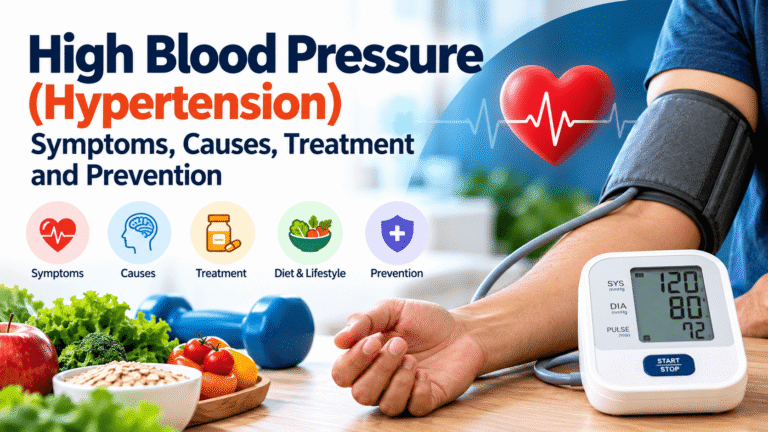
Manage Blood Pressure
High blood pressure often causes no symptoms.
Regular checks can help identify the problem before it causes complications.
If you have hypertension, follow the treatment plan recommended by your healthcare professional.
Manage Cholesterol
Regular cholesterol testing can help identify cardiovascular risk.
If cholesterol is high, lifestyle changes and medicines may be recommended depending on your risk level.
Manage Diabetes
Keeping blood glucose within the recommended range can help protect the heart and blood vessels.
Maintain a Healthy Weight
If you have overweight, gradual and sustainable weight management can help improve several heart disease risk factors.
Sleep and Stress Management
Good-quality sleep and healthy ways of managing stress can support overall cardiovascular health.
If stress, anxiety, or sleep problems are persistent, speak with a healthcare professional.
Heart-Healthy Foods
There is no single food that can prevent heart disease by itself.
Instead, focus on the overall eating pattern.
Useful choices can include:
- Leafy green vegetables
- Beans
- Lentils
- Whole grains
- Fresh fruits
- Nuts
- Seeds
- Fish or other appropriate protein sources
- Unsaturated plant oils
The exact diet should consider individual health conditions, food preferences, allergies, and cultural eating habits.
Foods to Limit for Better Heart Health
It may be helpful to reduce:
- Highly processed foods
- Foods high in trans fats
- Excess saturated fat
- Excess sodium
- Sugary drinks
- Large amounts of added sugar
- Highly processed meats
- Excessive alcohol
A healthy diet does not need to be extreme.
Small changes that can be maintained over many years are often more useful than short-term restrictive diets.
When Is Chest Pain an Emergency?
Chest pain should never be ignored when it may be related to the heart.
Seek emergency medical care if chest discomfort is:
- Severe
- Persistent
- New or unexplained
- Happening at rest
- Associated with shortness of breath
- Associated with sweating
- Associated with nausea
- Associated with fainting or severe weakness
- Spreading to the arm, shoulder, back, neck, or jaw
A heart attack can be life-threatening.
If you suspect a heart attack, seek emergency medical help immediately rather than driving yourself to the hospital if emergency services are available.
WHO identifies central chest discomfort and pain or discomfort in areas such as the arms, shoulder, jaw, or back as important heart attack symptoms, along with possible shortness of breath, nausea, light-headedness, sweating, or paleness.
Heart Disease in Women
Women can develop heart disease just as men can.
However, symptoms may sometimes be less typical.
Women may experience:
- Chest discomfort
- Shortness of breath
- Nausea
- Vomiting
- Back pain
- Jaw discomfort
- Unusual fatigue
- Dizziness
Because symptoms can vary, women should not ignore new or unexplained symptoms.
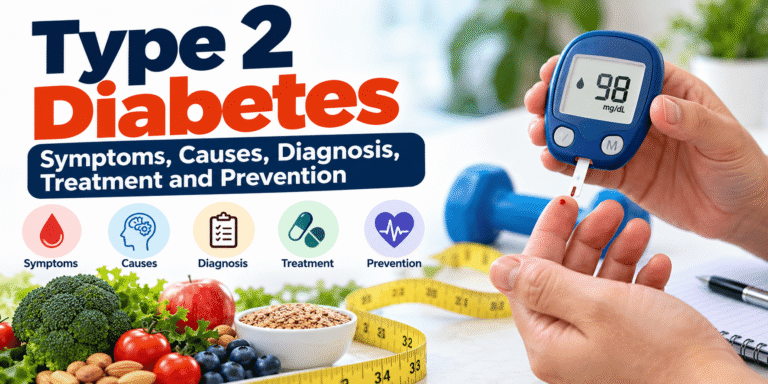
Heart Disease and Diabetes
Diabetes and heart disease are closely connected.
High blood glucose can damage blood vessels and increase cardiovascular risk.
People with diabetes should pay attention not only to blood glucose but also to:
- Blood pressure
- Cholesterol
- Smoking
- Physical activity
- Weight
- Diet
Managing these factors together can provide better cardiovascular protection.
Heart Disease and High Blood Pressure
High blood pressure is one of the most important modifiable risk factors for heart disease.
It can cause the heart to work harder and can damage arteries over time.
Because hypertension often has no symptoms, regular blood pressure checks are important.
Can Heart Disease Be Reversed?
The answer depends on the specific condition.
Some forms of heart disease can be controlled very effectively.
For coronary artery disease, healthy lifestyle changes and appropriate medicines can reduce risk, and in some situations plaque buildup may be stopped or partly reversed.
However, there is no universal treatment that reverses every type of heart disease.
The best approach is early detection and a treatment plan based on the specific diagnosis.
Frequently Asked Questions
What is the most common type of heart disease?
Coronary artery disease is one of the most common forms of heart disease and affects blood flow through the arteries supplying the heart.
What are the early signs of heart disease?
Possible signs include chest discomfort, shortness of breath, unusual tiredness, dizziness, palpitations, and reduced exercise ability. However, some heart conditions can have no symptoms.
Can heart disease happen without symptoms?
Yes. Some heart diseases can remain silent until a serious event occurs, such as a heart attack.
Can walking reduce the risk of heart disease?
Regular physical activity, including brisk walking, can support cardiovascular health and help manage blood pressure, cholesterol, blood glucose, and body weight.
What foods are good for heart health?
Vegetables, fruits, whole grains, beans, lentils, nuts, seeds, and other minimally processed foods can form part of a heart-healthy eating pattern.
Can stress cause heart disease?
Long-term stress can affect behaviors and health factors that influence cardiovascular risk. Stress management is therefore an important part of overall health.
Does high cholesterol cause heart disease?
High cholesterol can contribute to plaque buildup in arteries and increase cardiovascular risk. A blood test is needed to check cholesterol levels.
Can young adults have heart disease?
Yes. Although risk generally increases with age, heart disease can affect younger adults, particularly when important risk factors or inherited conditions are present.
How can I check my heart health?
A healthcare professional can assess your cardiovascular risk using your medical history, family history, blood pressure, cholesterol, blood glucose, lifestyle factors, and other information. Additional tests may be recommended when needed.
When should I see a doctor about heart symptoms?
New or unexplained chest discomfort, shortness of breath, fainting, severe palpitations, or other concerning symptoms should be medically evaluated. Emergency symptoms should receive immediate care.
Key Takeaways
Heart disease includes several conditions that affect the heart and blood vessels.
The most important points are:
- Heart disease can affect people of different ages.
- Some heart conditions may have no obvious symptoms.
- Coronary artery disease is a major form of heart disease.
- High blood pressure, high cholesterol, diabetes, and smoking are important risk factors.
- Physical inactivity and an unhealthy diet can increase cardiovascular risk.
- Family history and age can also affect risk.
- Regular health checks can help identify important risk factors.
- A heart-healthy diet and regular physical activity can support cardiovascular health.
- Smoking cessation is one of the most important ways to reduce cardiovascular risk.
- Chest pain with serious symptoms can be a medical emergency.
- Early detection and appropriate treatment can help reduce the risk of serious complications.
Medical Disclaimer
This article is intended for general health education and does not replace professional medical advice, diagnosis, or treatment.
Heart symptoms can have many possible causes, and treatment depends on the individual’s condition. If you have new, severe, or unexplained chest pain, difficulty breathing, fainting, or other emergency symptoms, seek urgent medical care.
Do not start, stop, or change heart medicines without advice from a qualified healthcare professional.