High Blood Pressure (Hypertension): Symptoms, Causes, Treatment and Prevention
High blood pressure, also called hypertension, is one of the most common health conditions in adults around the world. It can affect a person for many years without causing clear symptoms. This is why high blood pressure is often called a “silent” health problem.
When blood pressure stays too high for a long time, it can put extra stress on the heart and blood vessels. If it is not controlled, it can increase the risk of serious health problems such as heart disease, stroke, kidney disease, and other complications.
The good news is that high blood pressure can often be controlled with regular blood pressure checks, healthy lifestyle changes, and medicines when prescribed by a healthcare professional.
This guide explains what high blood pressure is, its symptoms, causes, risk factors, diagnosis, treatment, diet, prevention, and when medical help is needed.
What Is High Blood Pressure?
Blood pressure is the force of blood pushing against the walls of the arteries as the heart pumps blood around the body.
A blood pressure reading has two numbers:
- Systolic pressure: The top number. It shows the pressure in the arteries when the heart contracts.
- Diastolic pressure: The bottom number. It shows the pressure in the arteries when the heart relaxes between beats.
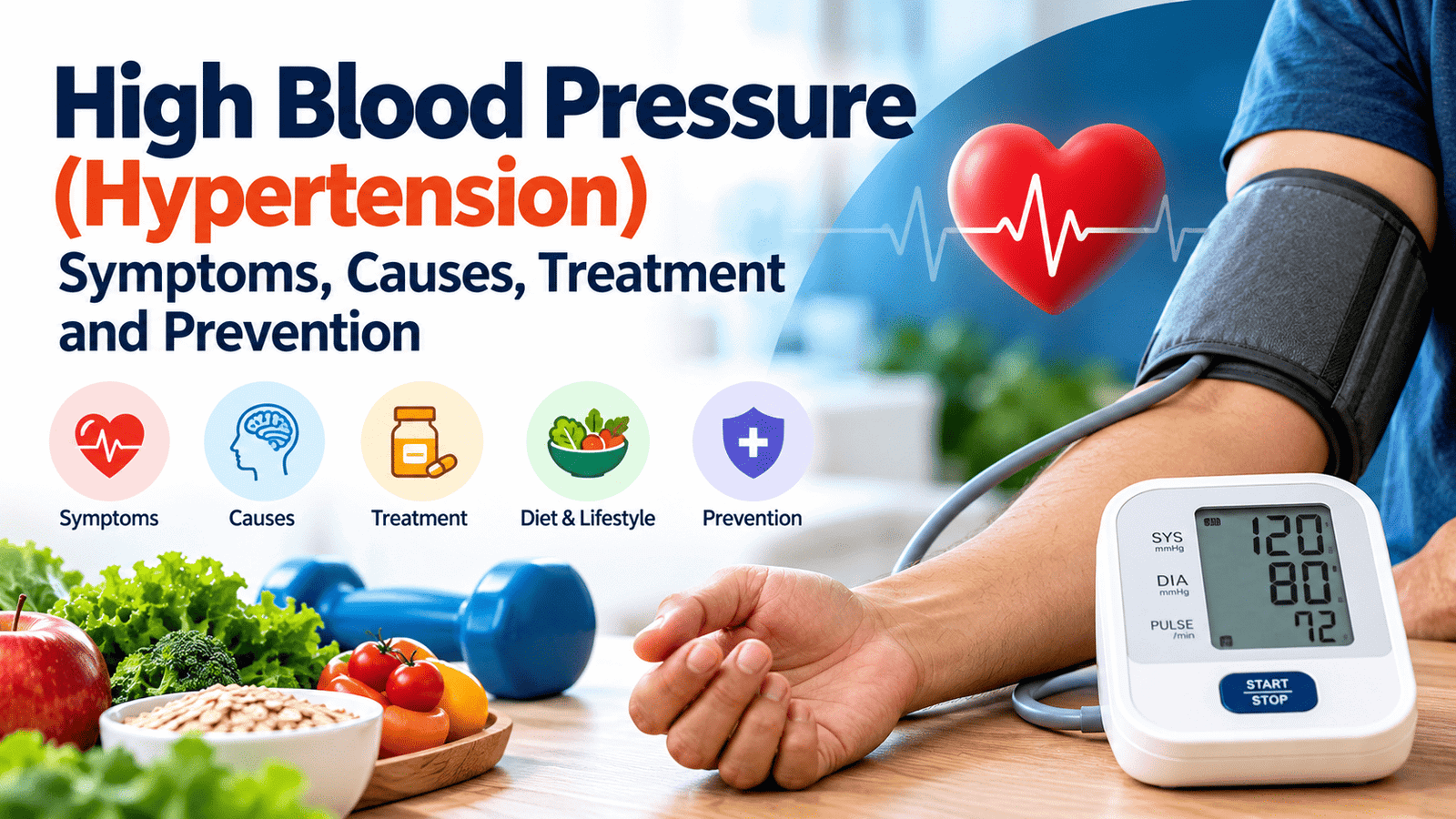
For example, a reading of 120/80 mmHg means a systolic pressure of 120 and a diastolic pressure of 80 millimeters of mercury.
Blood pressure naturally changes during the day because of activity, stress, sleep, food, medicines, and other factors. A single high reading does not always mean that a person has hypertension.
A healthcare professional usually looks at repeated measurements and the overall health situation before making a diagnosis.
What Are the Symptoms of High Blood Pressure?
One of the most important things to understand about hypertension is that it often causes no obvious symptoms.
A person can have high blood pressure and feel completely normal.
Some people may report symptoms such as:
- Headache
- Dizziness
- Shortness of breath
- Blurred vision
- Chest discomfort
- Nosebleeds
- Feeling unusually tired
However, these symptoms are not specific to high blood pressure. They can also happen because of many other health conditions.
Therefore, you should not wait for symptoms before checking your blood pressure.
Regular blood pressure measurement is one of the easiest ways to identify a possible problem early.
Why Is High Blood Pressure Called a Silent Condition?
Hypertension can slowly damage the body without producing noticeable warning signs.
A person may feel healthy while high pressure is continuously putting stress on the arteries and important organs.
Over time, uncontrolled hypertension can contribute to:
- Heart disease
- Heart attack
- Stroke
- Heart failure
- Kidney damage
- Vision problems
- Blood vessel disease
This is why routine health checks are important, especially for people with risk factors.
What Causes High Blood Pressure?
There is not always one single cause of hypertension.
In many adults, high blood pressure develops gradually due to a combination of genetic, lifestyle, environmental, and age-related factors.
Primary Hypertension
Most cases of high blood pressure are known as primary or essential hypertension.
It develops over time and does not have one clearly identifiable cause.
Several factors can contribute to it, including:
- Increasing age
- Family history
- Excess body weight
- High salt intake
- Lack of physical activity
- Smoking
- Excessive alcohol consumption
- Long-term stress
- Poor sleep
- Certain dietary patterns
Secondary Hypertension
Some people develop high blood pressure because of another medical condition or because of a medicine or substance.
This is called secondary hypertension.
Possible causes can include:
- Kidney disease
- Hormonal disorders
- Sleep apnea
- Certain medicines
- Some problems affecting blood vessels
- Certain endocrine conditions
Secondary hypertension may sometimes appear suddenly or become difficult to control.
Risk Factors for High Blood Pressure
Some factors can increase the chance of developing hypertension.
Age
The risk of high blood pressure generally increases with age because blood vessels can become less flexible over time.
Family History
A family history of hypertension can increase a person’s risk.
Genes can influence how the body handles salt, blood pressure regulation, and other processes related to cardiovascular health.
Overweight and Obesity
Extra body weight can increase the workload on the heart and may contribute to higher blood pressure.
Maintaining a healthy weight can help reduce cardiovascular risk.
High-Salt Diet
Eating too much sodium can increase blood pressure in many people.
Processed foods, packaged snacks, instant foods, sauces, and some restaurant foods can contain significant amounts of sodium.
Physical Inactivity
Regular physical activity supports heart and blood vessel health.
A sedentary lifestyle can contribute to weight gain and other factors that increase cardiovascular risk.
Smoking
Smoking damages blood vessels and increases cardiovascular risk.
Quitting smoking is one of the most important steps a person can take to protect heart and blood vessel health.
Alcohol
Heavy alcohol consumption can contribute to higher blood pressure and other health problems.
Stress and Poor Sleep
Long-term stress and inadequate sleep may contribute to unhealthy blood pressure patterns and can also make healthy lifestyle habits harder to maintain.
How Is High Blood Pressure Diagnosed?
Hypertension is diagnosed using blood pressure measurements.
A healthcare professional may measure your blood pressure during a medical visit and may recommend additional measurements over time.
For a more accurate reading, it is useful to:
- Sit quietly for several minutes before measurement.
- Keep your back supported.
- Keep your feet flat on the floor.
- Keep your arm supported.
- Use a properly sized blood pressure cuff.
- Avoid talking during the measurement.
- Take repeated readings when recommended.
Home blood pressure monitoring can also be useful for some people.
If readings are repeatedly high, a healthcare professional can determine whether further evaluation is needed.
What Do Blood Pressure Numbers Mean?
Blood pressure categories can vary slightly between medical guidelines and countries.
In general, blood pressure becomes more concerning as the readings remain above the healthy range.
For this reason, people should not diagnose themselves based on one isolated reading.
A healthcare professional should interpret blood pressure measurements together with age, medical history, other risk factors, and repeated readings.
Can High Blood Pressure Be Cured?
Whether hypertension can be completely reversed depends on its cause.
Some people can significantly improve their blood pressure through weight management, regular exercise, dietary changes, reducing sodium, stopping smoking, improving sleep, and other lifestyle changes.
However, many people require long-term treatment to keep blood pressure controlled.
The goal is not simply to make one blood pressure reading lower. The goal is to maintain healthy blood pressure over time and reduce the risk of damage to the heart, brain, kidneys, and blood vessels.
Treatment for High Blood Pressure
Treatment depends on the person’s blood pressure level, overall cardiovascular risk, other medical conditions, and response to lifestyle changes.
1. Lifestyle Changes
Healthy lifestyle habits are an important part of hypertension management.
They may include:
- Eating a balanced diet
- Reducing excessive salt intake
- Eating more vegetables and fruits
- Maintaining a healthy weight
- Exercising regularly
- Avoiding tobacco
- Limiting alcohol
- Getting adequate sleep
- Managing stress
- Taking prescribed medicines correctly
2. Blood Pressure Medicines
Some people need medicines to control hypertension.
Different medicines work in different ways. Common groups include:
- ACE inhibitors
- Angiotensin receptor blockers
- Calcium channel blockers
- Diuretics
- Beta-blockers in selected situations
The best medicine depends on the person’s health condition.
Never start, stop, or change blood pressure medicine without medical advice.
Some medicines may need to be taken every day even when a person feels completely well.
High Blood Pressure and Diet
Diet can play an important role in cardiovascular health.
A healthy eating pattern can include:
- Fresh vegetables
- Fruits
- Whole grains
- Beans and lentils
- Nuts and seeds in suitable portions
- Healthy sources of protein
- Low-fat or appropriate dairy choices
- Healthy unsaturated fats
It is also important to pay attention to sodium.
Foods to Limit
Depending on individual health needs, it may be helpful to reduce:
- Highly processed foods
- Packaged snacks
- Instant noodles
- Processed meats
- Very salty sauces
- Fast food
- Foods with large amounts of added salt
Reading food labels can help people understand how much sodium they are consuming.
Can Exercise Lower Blood Pressure?
Regular physical activity can support healthy blood pressure and cardiovascular health.
Activities may include:
- Walking
- Cycling
- Swimming
- Jogging
- Dancing
- Strength training
- Other moderate physical activities
A person who has been inactive should increase activity gradually.
People with heart disease, severe hypertension, or other medical conditions should discuss an appropriate exercise plan with a healthcare professional.
High Blood Pressure During Pregnancy
High blood pressure during pregnancy needs special attention.
Pregnancy-related hypertension can occur before or during pregnancy and may sometimes be associated with preeclampsia, a potentially serious pregnancy complication.
Warning signs can include:
- Severe headache
- Vision changes
- Significant swelling
- Upper abdominal pain
- Shortness of breath
- High blood pressure readings
Pregnant women with concerning symptoms should seek medical attention promptly.
Regular prenatal care helps healthcare professionals monitor blood pressure and other important health indicators during pregnancy.
High Blood Pressure in Children
High blood pressure is not only an adult health issue.
Children and teenagers can also develop high blood pressure.
Possible contributing factors include:
- Excess body weight
- Family history
- Kidney problems
- Certain hormonal conditions
- Some medicines
- Other medical conditions
Blood pressure in children is interpreted differently from adults and depends on factors such as age, sex, and height.
Parents should discuss abnormal blood pressure readings with a qualified pediatric healthcare professional.
High Blood Pressure and the Heart
The heart has to work harder when it pumps blood against increased pressure.
Over time, uncontrolled hypertension can contribute to changes in the heart and increase the risk of cardiovascular disease.
Possible complications include:
- Coronary artery disease
- Heart attack
- Heart failure
- Enlargement of the heart muscle
- Irregular heart rhythms in some situations
Controlling blood pressure is therefore an important part of protecting long-term heart health.
High Blood Pressure and the Brain
Hypertension is a major risk factor for stroke.
Long-term high blood pressure can damage blood vessels in the brain and contribute to problems with blood flow.
A stroke can occur when blood supply to part of the brain is blocked or when a blood vessel in the brain bleeds.
Controlling blood pressure can help reduce stroke risk.
High Blood Pressure and the Kidneys
The kidneys contain many small blood vessels that help filter waste from the blood.
High blood pressure can damage these blood vessels over time.
At the same time, kidney disease can also cause or worsen hypertension.
This creates a cycle in which kidney problems and high blood pressure can affect each other.
People with long-term hypertension may need kidney function monitoring as recommended by their healthcare professional.
High Blood Pressure and Eye Health
High blood pressure can also affect the small blood vessels supplying the eyes.
Long-term uncontrolled hypertension may damage the retina and contribute to vision problems.
Regular medical care and good blood pressure control can help reduce the risk of complications.
When Is High Blood Pressure an Emergency?
Extremely high blood pressure can sometimes be a medical emergency, especially when it occurs together with signs of organ damage.
Seek urgent medical care if very high blood pressure is accompanied by symptoms such as:
- Severe chest pain
- Severe shortness of breath
- Sudden weakness or numbness
- Difficulty speaking
- Sudden confusion
- Sudden vision problems
- Severe headache with neurological symptoms
- Loss of consciousness
These symptoms can indicate a serious medical problem such as a heart attack or stroke.
Do not try to manage a medical emergency at home.
How Can High Blood Pressure Be Prevented?
Not every case of hypertension can be prevented, especially when genetics or certain medical conditions are involved.
However, healthy habits can lower the risk and support better cardiovascular health.
Important steps include:
Maintain a Healthy Weight
If you are overweight, even gradual and sustainable weight loss may benefit blood pressure and overall health.
Eat a Balanced Diet
Choose more whole and minimally processed foods and limit excessive sodium and highly processed foods.
Stay Physically Active
Regular physical activity supports the heart and blood vessels.
Avoid Tobacco
Smoking damages blood vessels and increases cardiovascular risk.
Limit Alcohol
Excessive alcohol can contribute to high blood pressure.
Sleep Well
Good-quality sleep is important for overall health.
Check Blood Pressure Regularly
Because hypertension often has no symptoms, regular measurement is important.
How Often Should You Check Your Blood Pressure?
The appropriate frequency depends on your age, health history, previous blood pressure readings, and risk factors.
People with normal readings may only need periodic checks.
People with hypertension may need more frequent monitoring.
If your healthcare professional has asked you to monitor your blood pressure at home, follow their recommended schedule and keep a record of your readings.
Frequently Asked Questions
Can you have high blood pressure without symptoms?
Yes. Many people with hypertension do not notice any symptoms. Regular blood pressure measurement is therefore important.
What is a normal blood pressure?
Blood pressure ranges are interpreted using established medical guidelines. A healthcare professional can explain what your readings mean based on your individual health situation.
Can drinking water lower blood pressure?
Staying properly hydrated is important for normal body function, but drinking extra water is not a treatment for hypertension. People with certain heart or kidney conditions may also have specific fluid recommendations.
Can walking help lower blood pressure?
Regular physical activity such as walking can support healthy blood pressure. The amount and intensity of exercise should be appropriate for the person’s health and fitness level.
Is high blood pressure permanent?
Some people can improve their blood pressure significantly through lifestyle changes, while others require long-term medication. It depends on the cause and individual health factors.
Should I stop my medicine when my blood pressure becomes normal?
No. A normal reading may mean that your treatment is working. Do not stop or change prescribed medicine without discussing it with your healthcare professional.
Does stress cause high blood pressure?
Stress can temporarily raise blood pressure. Long-term stress may also contribute indirectly through sleep problems, unhealthy eating, inactivity, or other behaviors.
Can young adults have high blood pressure?
Yes. Hypertension can occur in young adults, although risk generally increases with age. Family history, excess weight, lifestyle factors, kidney disease, and other conditions can contribute.
Can high blood pressure cause a heart attack?
Uncontrolled hypertension increases the risk of cardiovascular disease, including heart attack.
Can high blood pressure damage the kidneys?
Yes. Long-term uncontrolled hypertension can damage the blood vessels in the kidneys and contribute to kidney disease.
Key Takeaways
High blood pressure is common, but it should not be ignored.
The most important points are:
- Hypertension often has no obvious symptoms.
- Regular blood pressure checks can help detect it early.
- Multiple factors can contribute to high blood pressure.
- A healthy diet and regular physical activity can support blood pressure control.
- Smoking and excessive alcohol can increase cardiovascular risk.
- Some people need prescription medicines.
- Blood pressure medicines should only be changed with medical guidance.
- Uncontrolled hypertension can affect the heart, brain, kidneys, and eyes.
- Very high blood pressure with serious symptoms can require emergency medical care.
- Long-term blood pressure control can help reduce the risk of serious complications.
Medical Disclaimer
This article is provided for general health education and does not replace professional medical advice, diagnosis, or treatment. Blood pressure targets and treatment decisions can vary depending on a person’s age, medical history, pregnancy status, medications, and other health conditions.
If you have high blood pressure, unusual symptoms, or concerns about your health, speak with a qualified healthcare professional.